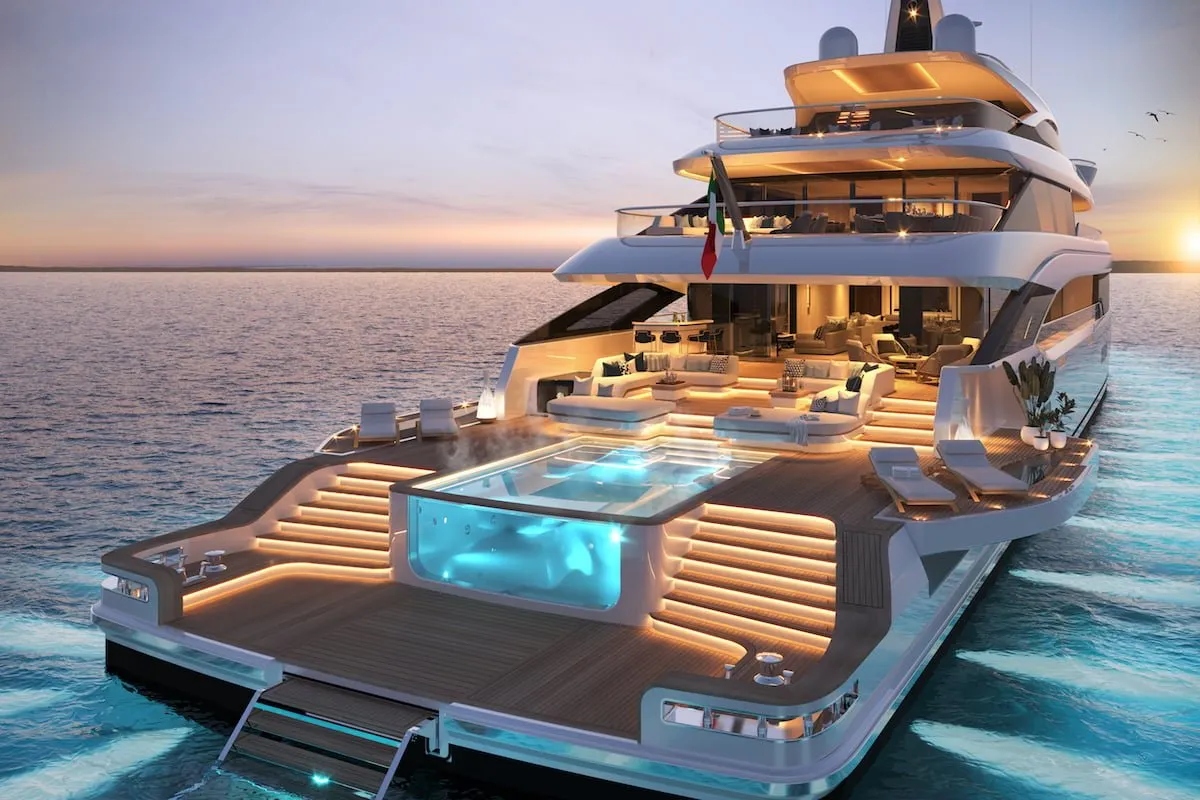
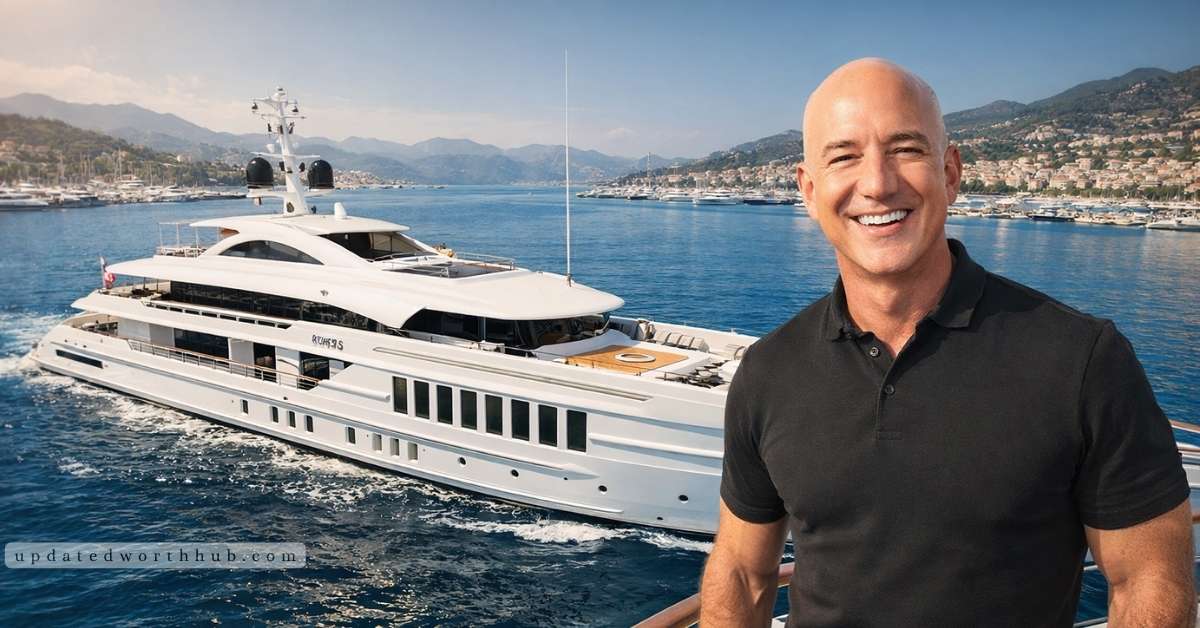
When people think about Jeff Bezos, they picture boardrooms and rockets. But the Jeff Bezos yacht tells a different story. And in 2026, it has matured into something truly rare — a floating residence that works as well as it looks. The Jeff Bezos superyacht is not a status symbol in the traditional sense. It avoids excess. It values function. For anyone curious about the elite Billionaire lifestyle, this vessel offers a deeper look than our celebrity net worth guide ever could.. The interior alone reflects a philosophy that most luxury buyers never reach.
What Is Koru? Jeff Bezos’ Iconic Sailing Yacht Explained
The name Koru comes from Maori culture. It represents new beginnings and continuous growth. That philosophy fits a Sailing yacht built for decades, not headlines. Koru was built by Oceanco in the Netherlands, one of the world’s most respected superyacht shipyards. From day one, it was designed to last.
The yacht operates under strict Private ownership. Coverage from People.com and Boat International confirmed global interest that never faded. People often ask: how big is jeff bezos yacht? The vessel stretches approximately 127 meters in length, making it one of the largest private sailing yachts ever built. Yet size is secondary to substance here.
Jeff Bezos Yacht Interior Design Overview — 2026 Update
The Koru yacht interior follows a quiet logic. Light enters naturally. Lines stay clean. The Luxury interior feels calm, not crowded. Space planning favors openness. Large rooms breathe. Corridors feel generous without being wasteful.
By 2026, small refinements improved comfort without changing the core vision. This 2026 design evolution vs 2023 launch version is subtle by design. Layouts stayed intact. Systems improved quietly. Usage shaped the upgrades. The yacht evolved as a lived space, not a showpiece, and that maturity shows in every detail.
Interior Design Inspiration and Style Philosophy
The inspiration leans Scandinavian. Soft tones dominate. Natural textures lead the eye. Minimalist design blends with nautical tradition. The result isn’t cold. It’s warm in a disciplined way. Personal comfort shaped the jeff bezos yacht inside more than public display ever could.
Privacy zones feel cocooned. Social spaces feel open and welcoming. This balance reveals how deeply personal preference drove every decision. The design also reflects growing demand for Sustainable yachting. Materials were chosen for low environmental impact, not just beauty. That dual purpose sets this interior apart from older luxury builds.
Inside the Jeff Bezos Yacht — Main Interior Areas and Crew Zones
Moving through the yacht feels intentional. Public zones sit apart from private ones. Yacht crew pathways stay hidden from guest areas at all times. This zoning supports both comfort and efficiency — a hallmark of advanced Naval architecture. Guests never cross into operational spaces.
Interior crew-only zones and operational design are among the most sophisticated aspects of this vessel. Service corridors run parallel to guest corridors throughout. Crew access points sit behind flush panels. Kitchens, laundry, and engineering areas connect through a fully separate internal route. This invisible infrastructure defines true Yacht craftsmanship at this level.
Curious how other ultra-luxury yachts live? Explore the Bill Gates Yacht 2026 and its groundbreaking hydrogen technology
Grand Owner’s Suite — Jeff Bezos’ Private Living Space
The Koru yacht master suite interior spans the full beam of the vessel. Ocean views stretch wide on both sides. Glass dominates one wall. Materials absorb sound to protect rest and focus. This isn’t just a bedroom. It functions as a private residence within a larger residence.
Privacy layers run deep in the jeff bezos yacht private spaces. Controlled access, acoustic insulation, and discreet security systems work together seamlessly. Interior security architecture includes safe zones, access-restricted corridors, and communication systems that operate independently from the main network. These features reflect advanced Privacy & security thinking rather than simple indulgence.
VIP Guest Cabins and Luxury Bedrooms
Guest suites feel equal, not secondary. Each cabin mirrors a high-end residence. Comfort rivals elite resorts. Storage stays hidden behind seamless joinery. Lighting adapts to mood and time of day. Guests experience Luxury travel without spectacle.
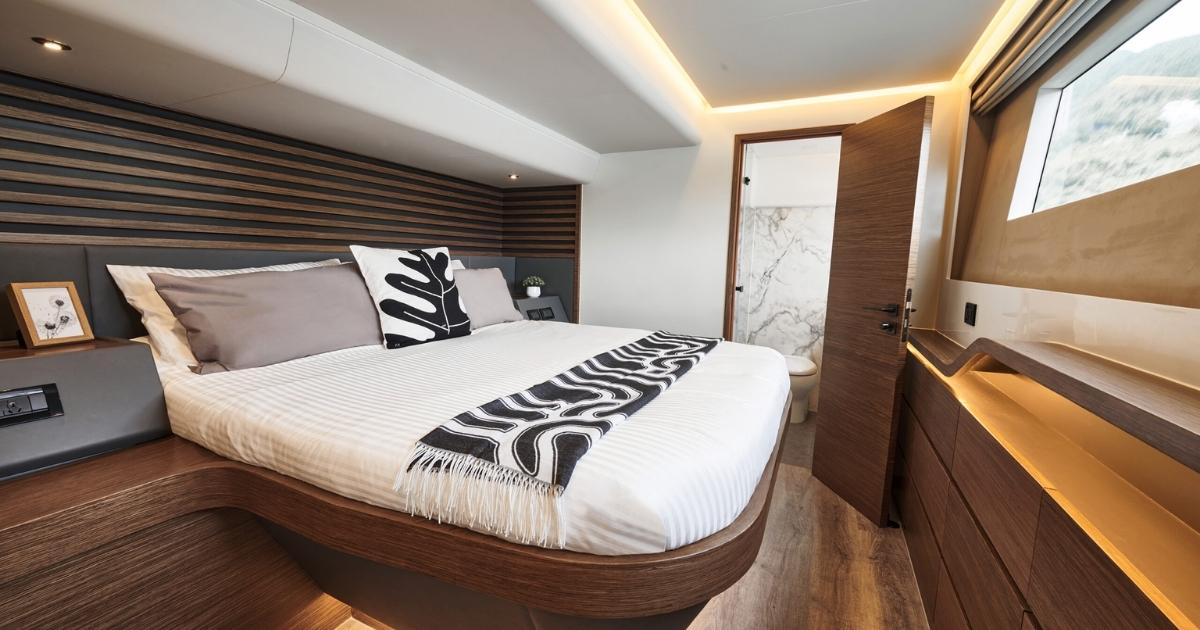
That subtlety defines the interior’s success. These rooms work just as well during long Atlantic crossings as they do in calm Mediterranean Sea anchorages. The materials chosen resist humidity, salt air, and heavy use — a balance combining beauty with practical Maritime engineering.
Main Saloon and Lounge Area
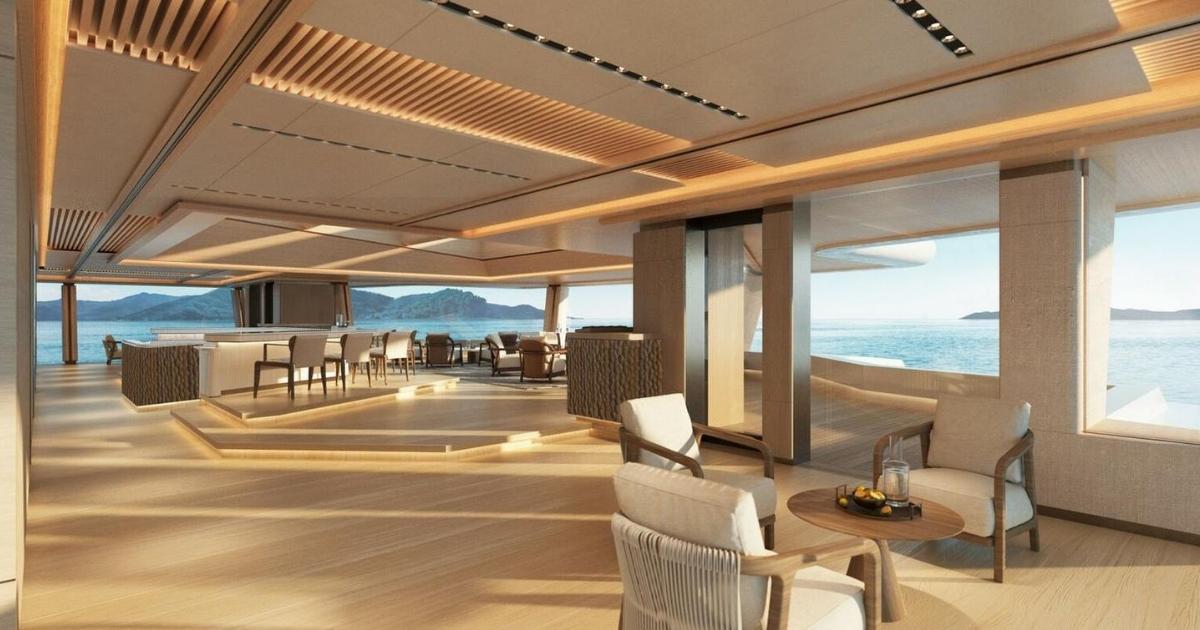
The saloon anchors social life onboard. Seating encourages conversation. Ceiling heights enhance openness. Art remains understated. Teak wood interiors warm the space naturally without dominating it. This room handles quiet evenings and larger gatherings with equal ease.
The design reflects restraint, not Wealth display. Real confidence doesn’t need volume. The saloon adapts to the mood of the people in it rather than imposing a mood of its own. That quality separates truly great Interior design from expensive decoration.
Dining Area and Entertainment Spaces
Dining onboard Koru feels ceremonial yet relaxed. Tables seat guests comfortably for formal dinners. Marble finishes add texture without excessive shine. Entertainment zones blend into the architecture rather than standing apart from it.
Spaces adapt easily from quiet dinners to relaxed evenings without rearrangement. That flexibility defines thoughtful Custom yacht design. The dining area connects directly to outdoor deck spaces, allowing seamless transitions to open air — a feature used heavily when cruising the Caribbean.
Jeff Bezos Yacht Interior Materials and Finishes
Materials matter because they age. The jeff bezos yacht interior materials were selected for longevity above all else. Woods resist humidity. Metals avoid corrosion. Textiles handle salt air. These choices protect long-term value and reduce Maintenance Overhead significantly over time.
| Area | Material Focus | Purpose |
| Living spaces | Teak, natural stone | Durability and warmth |
| Private suites | Soft woods, premium leather | Comfort and acoustics |
| Wet areas | Marble, marine composites | Longevity and easy cleaning |
| Technology zones | Brushed metals, glass | Clean integration |
| Outdoor transitions | Teak decking, UV fabrics | Weather resistance |
This approach supports Wealth Preservation. Quality materials hold their character over years of use. They also support stable Luxury Asset Valuation when marine surveyors assess the vessel — a point that matters significantly to insurers and future buyers alike.
Interior Depreciation vs Appreciation — The Asset Perspective
Most yacht interiors depreciate over time. Materials wear. Trends shift. Refit costs accumulate. But the Koru interior was built to minimize the Depreciation Curve through material quality, timeless design, and low-volume personal use. The result is an interior that ages far better than the average superyacht on the market.
Custom interiors built from rare or hand-crafted materials can actually appreciate in perceived value among High-net-worth individuals buyers, especially when paired with strong ownership provenance. This is a key difference between Tangible Assets like Koru and standard luxury purchases — and it connects directly to how net worth is truly calculated at the highest level. The interior here functions as a component of an overall Long-Term Asset Holding strategy — not just a design statement.
Annual Interior Refit and Upgrade Cycles
Large yachts like Koru follow structured refit schedules. Annual interior refit cycles address fabric wear, system upgrades, and cosmetic maintenance. These are not reactive fixes. They are proactive investments that protect the vessel’s Asset Liquidity and ensure consistent comfort standards throughout the sailing year.
The jeff bezos yacht refit updates visible in 2026 reflect real-world usage feedback. Soft furnishings were refreshed. Climate control systems received efficiency upgrades. Navigation-adjacent technology was updated in crew zones. None of these changes altered the design identity — they reinforced it. This cycle-based approach is central to Fiscal Efficiency in superyacht ownership at this level.
Technology and Smart Features Inside Koru Yacht
Smart systems run quietly throughout the vessel. Lighting shifts naturally with the time of day. Climate control adapts room by room. Audio disappears into the walls. Technology supports life instead of dominating it. This is the standard of modern Ultra-luxury — invisible systems that simply work.
Security integrates deeply. Access zones restrict movement in key areas. Safe zones remain discreet but fully functional. These systems protect Celebrity assets without visible intrusion. Interior security architecture extends to communication blackout zones, biometric access points, and redundant power supplies for critical systems — all completely invisible to guests.
Sustainability and Eco-Friendly Interior Design
The interior reflects clear Koru Yacht Interior Sustainability goals. Materials reduce embodied emissions. Systems lower energy consumption. Maintenance cycles stay efficient and low-waste. This aligns the vessel with future yachting norms that increasingly penalize excessive environmental footprints.
As Luxury Market Volatility rises and environmental regulations tighten in key sailing zones like the Mediterranean Sea, sustainable design protects long-term relevance and usability. EU ports and marinas are already applying stricter emission standards. Koru’s interior systems were built with these regulatory shifts in mind from the very beginning.
Insurance Valuation of Yacht Interiors
Marine insurers do not value yacht interiors based on market trends. They use replacement cost methodology. That means coverage for the jeff bezos yacht interior reflects what it would cost to rebuild every surface, system, and fitting to the same specification — not what a buyer might pay on the open market today.
Custom finishes like bespoke marble work, hand-laid teak, and one-off art installations require specialist marine underwriters. Standard yacht. Politicians do not cover them adequately. This is an important part of Net-Worth Diversification strategy for owners of Capital-Intensive Asset vessels. Proper interior insurance coverage also affects overall Offshore Asset Structuring decisions made at the corporate ownership level.
Tax and Flag-State Implications Tied to Yacht Interiors
The flag state — the country under which a yacht is officially registered — has direct implications for how interior refits are taxed. Refit work carried out in EU waters can trigger VAT obligations, particularly if the vessel is registered outside the EU. For vessels like Koru, this means refit scheduling and port selection are Capital Allocation decisions with real tax consequences — not just logistical choices.
Ownership structures matter here too. Many superyachts are held through corporate entities or trusts, which affects how interior assets are declared and depreciated over time. Offshore Asset Structuring strategies must account for interior valuations during ownership transfers or insurance claim events. Flag state rules vary widely, and owners at this level work with specialist maritime lawyers to maximize Discretionary Capital efficiency while maintaining full legal compliance.
Jeff Bezos Yacht Interior vs Other Billionaire Yachts
Many yachts chase scale. Koru chases balance. The contrast is visible across the full spectrum of wealth — from rap moguls like Rick Ross to tech billionaires — yet few assets reveal a person’s wealth philosophy as clearly as a private yacht. The billionaire yacht interior comparison below shows how restraint outperforms excess over time. Unlike louder designs, this interior supports Long-Term Asset Holding and ages with genuine dignity.
| Feature | Koru (Bezos) | Abramovich Yachts | Typical Megayacht |
| Design philosophy | Minimalist, residential | Statement, spectacle | Hotel luxury |
| Material approach | Timeless, eco-aware | Grand, high-gloss | Mixed, trend-led |
| Privacy architecture | Deep, multi-layered | Moderate | Standard |
| Sustainability | Core priority | Secondary | Varies |
| Refit approach | Proactive, annual | Event-driven | Ad hoc |
| Asset longevity focus | Very high | Moderate | Low to moderate |
How Much Does the Jeff Bezos Yacht Interior Cost?
Estimating the Jeff Bezos yacht interior cost breakdown requires nuance. Interiors at this level represent a Capital-Intensive Asset within a larger capital asset. Costs include craftsmanship, systems integration, bespoke art, and ongoing care across multiple decades of planned use.
| Cost Category | Estimated Scale | Notes |
| Initial interior build | Tens of millions USD | Custom joinery, materials, systems |
| Annual refit cycle | Millions USD per year | Furnishings, tech upgrades, cosmetics |
| Insurance premiums | High | Replacement cost basis, specialist coverage |
| Interior crew costs | Ongoing | Chef, stewards, housekeeping staff |
| Tax and compliance | Variable | Depends on the flag state and port usage |
These figures reflect the reality of owning a billionaire yacht at this level. The interior alone likely exceeded $50–80 million during initial construction. A proper wealth-building strategy treats these costs as investments in asset quality and long-term value — not pure expenditure.
Latest 2026 Updates and Interior Changes
The most visible aspect of the Jeff Bezos yacht refit updates in 2026 is restraint. Nothing changed dramatically. Everything improved incrementally. This is the mark of a mature asset. The 2026 design evolution vs 2023 launch version shows a vessel refined through real experience, not reimagined for public attention.
Climate systems received efficiency upgrades. Entertainment technology was quietly updated. Crew zone layouts were optimized based on operational learning. None of these changes made headlines — and that was entirely by design. The Koru yacht interior photos 2026 that occasionally surface through marine media confirm that the visual identity remains intact: serene, focused, and unmistakably deliberate.
Public Reaction and Media Coverage
Coverage from People.com and Boat International remains steady year after year. Interest centers on interiors and lifestyle, not just size. People genuinely want to understand how the wealth of this scale actually lives. The answer aboard Koru is quieter than most expect.
The yacht travels seasonally between the Mediterranean Sea and the Caribbean, reinforcing its role as a working mobile residence rather than a moored trophy. Coverage often notes the contrast between the vessel’s enormous scale and its deliberately understated aesthetic — a combination that keeps jeff bezos lifestyle coverage consistently compelling.
Frequently Asked Questions
Can the public see Jeff Bezos’ yacht interior?
No. Access stays restricted. Privacy defines the experience.
Who designed Jeff Bezos’ yacht interior?
The Koru Yacht Interior Design Firm worked closely with the owner and shipyard.
How many rooms are inside the Koru yacht?
Exact numbers stay private. Multiple suites support extended stays.
Is Jeff Bezos yacht interior eco-friendly?
Yes. Materials and systems support sustainability goals.
Where is Jeff Bezos’ yacht in 2026?
It operates seasonally between Europe and the Caribbean.
Final Thoughts — Jeff Bezos Yacht Interior 2026
The Jeff Bezos yacht interior 2026 shows how serious wealth matures. It values calm over noise. Function over flash. Longevity over trends. Every surface, every system, and every design decision points toward the same conclusion: this interior was built to last, not to impress.
From the Koru yacht master suite interior to the hidden crew corridors, from tax-aware refit scheduling to replacement-cost insurance strategy, Koru is a complete lesson in how High-net-worth individuals approach Tangible Assets at the highest level. It doesn’t shout. It endures. And in 2026, that endurance is exactly what makes it one of the most studied interiors in the world of Maritime engineering.
Disclaimer:
This article relies on publicly available information, expert analysis, and industry insight. Interior details may change due to privacy, refits, or operational needs. All cost figures are estimates based on industry benchmarks and publicly available data.